

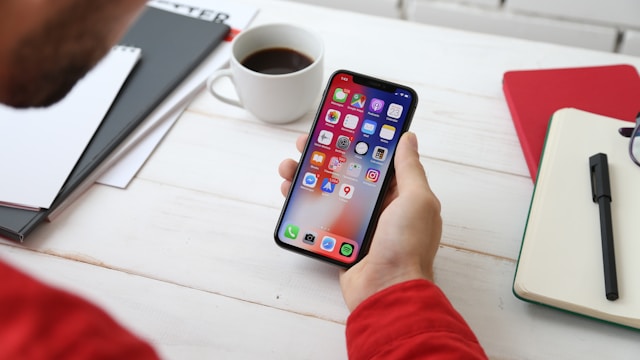
Staying organized can become difficult when work, school, and personal responsibilities compete for attention. The best productivity apps 2026 users rely on combine task tracking, calendars, note-taking, and collaboration features to simplify daily routines. Some focus on personal planning, while others support team projects and document management. This article highlights several widely used applications, explains their main features, and shows how different tools fit different organizational needs.
Best Productivity Apps 2026
Many productivity platforms have expanded their features over the past few years. The applications below remain popular because they support different workflows while offering reliable performance across multiple devices.
Notion
Notion combines notes, databases, project planning, documents, and simple task tracking in one workspace. Users can build customized pages for work projects, study materials, meeting notes, or personal planning. Its flexible layout makes it useful for people who prefer organizing information according to their own structure instead of using fixed templates.
Todoist
Todoist is one of the most recognized task management apps for personal and professional use. It supports recurring tasks, priority labels, reminders, project folders, and productivity tracking. The interface stays simple, making it suitable for users who want a clean system without unnecessary complexity.
Microsoft To Do
Microsoft To Do focuses on daily planning through task lists, reminders, due dates, and recurring activities. It integrates well with other Microsoft services, making it convenient for people who already use Microsoft 365 for work or school. Shared lists also help families and teams coordinate responsibilities.
Google Keep
Google Keep provides a straightforward way to capture notes, checklists, voice memos, and images. Notes synchronize automatically across devices connected to the same Google account. Color labels and pinned notes help users organize information without creating large document folders.
Apps to Stay Organized for Projects and Teams
Some people manage larger projects that involve multiple contributors. These apps to stay organized provide collaboration features that support communication, planning, and progress tracking.
Trello
Trello organizes projects using visual boards, lists, and cards. Each card can include deadlines, attachments, checklists, and comments, making project progress easy to follow. Many teams use Trello for content planning, event preparation, software development, and marketing workflows.
Asana
Asana helps teams coordinate assignments, timelines, and project milestones. Managers can assign responsibilities, monitor progress, and organize work into projects or departments. Timeline and calendar views provide a clear overview of ongoing activities across larger teams.
ClickUp
ClickUp combines project management, documents, goals, reminders, chat, and task tracking in one platform. Users can customize dashboards based on individual preferences or business requirements. This flexibility makes it suitable for both personal productivity and collaborative work environments.
Slack
Slack brings team communication, file sharing, and project discussions into a single platform. Conversations are organized through channels, making it easier to separate topics by department, project, or client. Integrations with many productivity tools also help reduce the need to switch between multiple applications during the workday.
TickTick
TickTick combines task management with calendar planning, habit tracking, and reminder features. Users can organize personal and professional responsibilities using lists, priorities, and recurring tasks. Its built-in Pomodoro timer also supports focused work sessions without requiring a separate application.
Dropbox
Dropbox is widely used for cloud file storage and document sharing across multiple devices. Files remain accessible from computers, smartphones, and tablets while supporting collaboration through shared folders and links. Many users pair Dropbox with other productivity tools to keep important documents organized and easy to locate.
Free Productivity Tools Worth Trying
Many free productivity tools provide useful features before users consider paid plans. These options work well for students, freelancers, and individuals managing everyday responsibilities.
Google Calendar
Google Calendar helps organize appointments, meetings, deadlines, and recurring schedules. Shared calendars make planning easier for families, classrooms, and workplaces. Automatic synchronization across devices keeps schedules current throughout the day.
Evernote
Evernote remains a popular note-taking application for organizing research, meeting notes, scanned documents, and personal references. Powerful search features make stored information easy to locate, even when notes contain images or handwritten content.
Obsidian
Obsidian stores notes as local Markdown files while connecting related ideas through internal links. Many writers, researchers, and students use it to organize large collections of information. Its offline-first design also appeals to users who prefer keeping their files on personal devices.
Installing the Right Productivity App
The right application depends on personal habits and daily responsibilities. Someone managing simple checklists may find Todoist or Microsoft To Do sufficient. People handling detailed research often benefit from Notion or Obsidian, while collaborative teams frequently use Trello, ClickUp, or Asana. Trying several apps to stay organized helps users identify the interface and features that best match their routine.
Key Takeaway
The best productivity apps 2026 include trusted platforms such as Notion, Todoist, Microsoft To Do, Google Keep, Trello, Asana, ClickUp, Google Calendar, Evernote, and Obsidian. Each application supports organization in different ways, from managing schedules and notes to handling complex projects. Combining several free productivity tools and task management apps often creates a practical system that keeps work and personal responsibilities organized without making daily planning more complicated.