

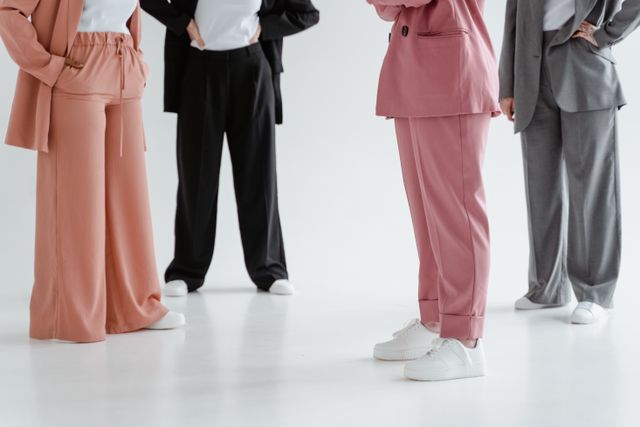
Many people struggle to find clothes that look visually balanced on their unique physical frame. Learning how to dress for your body type changes the way you evaluate structural clothing items. Every individual possesses a distinct bone structure that requires specific tailoring choices for daily outfits.
Understanding Distinct Human Shapes
Every individual possesses a unique physical form with specific natural proportions. Learning how to dress for your body type allows you to select garments that look balanced and fit correctly. Stylists divide common figures into a few simple categories based on bone structure and weight distribution.
The main categories include rectangle, oval, triangle, inverted triangle, and hourglass silhouettes. You can determine your profile by comparing the measurements of your shoulders, bust, waist, and hips. Knowing your dimensions makes garment selection much faster whether you shop online or visit retail stores.
Proper clothing choices balance your physical proportions by directing visual attention to different areas of your frame. You can use fabrics and cuts to create symmetry across your upper and lower body sections. This structural approach simplifies fashion choices and prevents common fit issues with off-the-rack garments.
Styling the Rectangle Figure
A rectangle framework means your shoulders, waist, and hips share a very similar width measurement. People often call this frame an athletic build because it lacks sharp curves or narrow midsections. The primary objective involves adding definition to the center of your torso through smart garment placement.
Belts work exceptionally well to define your midsection when you wear loose shirts or long casual dresses. You can also pick tops with ruffled necklines or pleated details to add volume across your chest. These specific design features break up the straight lines of your natural skeletal silhouette.
A-line skirts and wide-leg trousers help create a curved appearance on your lower half. These garments flare outward from your waistline to mimic the natural proportions of an hourglass silhouette. Pairing these bottoms with fitted jackets produces an balanced and organized visual structure.
Selecting Clothes for the Triangle Frame
The triangle configuration features hips that measure significantly wider than your shoulders and upper chest area. This common profile requires clothing items that add physical structure and visual weight to your top half. You want to expand your shoulder line to match the wider dimensions of your pelvic region.
Boatneck shirts and tops with puff sleeves effectively increase the apparent width of your upper frame. You can also choose bright patterns for your blouses while keeping your pants dark and simple. This color strategy directs the eyes of the viewer upward toward your face.
Straight-leg trousers and dark denim jeans minimize the visual width of your lower torso section. Avoid trousers with large side pockets or heavy patterns that attract attention to your hip area. Simple tailored hems look clean and maintain excellent vertical lines along your legs.
Balancing the Inverted Triangle Profile
An inverted triangle framework means your shoulders measure noticeably wider than your waistline and lower hips. This frame benefit from styles that add mass and volume below your narrow midsection line. You must choose garments that draw attention downward toward your legs and footwear.
Peplum tops and flared jackets add immediate volume right at your natural waist level. You should seek out deep V-neck shirts to break up wide shoulder areas into narrower vertical sections. These simple geometric shapes create a more balanced profile across your entire torso.
Wide-leg pants, cargo trousers and tiered skirts complement your slender lower frame beautifully. Bright colors and horizontal patterns work best when you wear them on your lower half. These design choices expand your bottom proportions to match your broad upper frame.
Highlighting the Hourglass Silhouette
The hourglass shape features a narrow waist with bust and hip areas that share nearly identical dimensions. This balanced framework requires garments that follow your natural outline without adding bulk to either section. You should avoid overly baggy clothes that hide your natural waist definition entirely.
Fitted wrap dresses and tailored shirts highlight your center proportions without adding unnecessary fabric volume. Look for jackets that end right at your hip bone to preserve your natural curves. These cuts respect the symmetry of your frame and keep your clothing looking highly professional.
High-waisted trousers and pencil skirts work perfectly to emphasize your balanced midsection line. Choose simple fabrics that lay flat against your skin without bunching or creating weird folds. This method ensures your outfits maintain a smooth and clean appearance throughout the day.
Key Takeaway
Selecting garments that match your physical frame creates immediate visual balance and improves your daily comfort. Mastering how to dress for your body type changes your approach to personal style and clothing purchases. You can create a highly functional collection of clothes by focusing entirely on your natural proportions.