

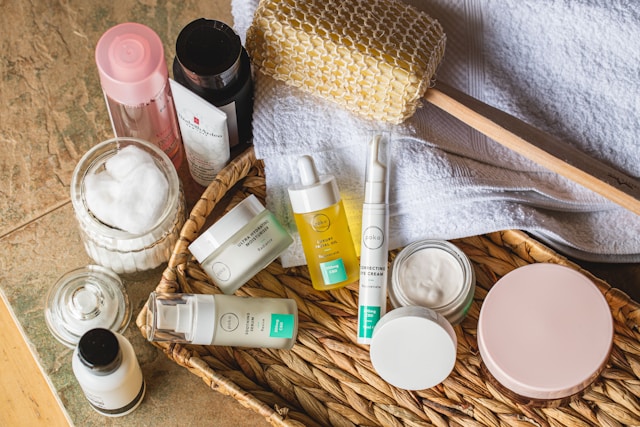
Good skin doesn’t come from expensive products. It comes from the right products used consistently. If you’ve been putting off starting a skincare routine because you don’t know where to begin or you’re worried about the cost, this guide is for you. Building a skincare routine for beginners on a budget is simpler than the beauty industry wants you to believe, and you don’t need a shelf full of serums to see real results. You need a handful of basics, a little consistency, and a clear understanding of what your skin actually needs.
Why Simple Beats Complicated Every Time
One of the most common beginner skincare tips you’ll hear from dermatologists is this: keep it simple. Paring back to a few evidence-based essentials can improve skin tolerance and reduce inflammation, according to dermatologists who treat patients with irritation caused by layering too many active ingredients at once. More products don’t mean better skin. In many cases, they mean more irritation, more confusion about what’s working, and more money spent on things you don’t need.
The best routine is the one you actually follow. A simple daily routine includes a gentle cleanser, a hydrating serum, a supportive moisturizer, and daily sunscreen. Consistency always outperforms complexity. That’s the foundation of every good affordable skincare guide, and it’s where you’ll start too.
Step 1: Know Your Skin Type
Before you buy a single product, you need to understand your skin type. Using the wrong products for your skin, even affordable ones, is one of the most common beginner skincare mistakes. The four main types are:
- Oily skin: shiny appearance, enlarged pores, prone to breakouts. Look for lightweight, non-comedogenic products that control oil without stripping the skin.
- Dry skin: tight or flaky feeling, especially after washing. Focus on richer moisturizers with ingredients like ceramides and hyaluronic acid that restore moisture to the skin barrier.
- Combination skin: oily in the T-zone (forehead, nose, and chin) and normal to dry on the cheeks. Lightweight products that balance both areas work best.
- Sensitive skin: reacts easily to new products, fragrance, or harsh ingredients. Fragrance-free, minimal-ingredient formulas are your safest option.
- Normal skin: balanced, not overly oily or dry, with few issues. Most basic routines will work well without much adjustment.
If you’re unsure which type you have, wash your face with a gentle cleanser, pat dry, and wait an hour without applying anything. How your skin looks and feels after that hour tells you a lot.
Step 2: Build Your Morning Routine
A morning routine for beginners only needs three to four steps. Here’s what the basic skincare steps look like in the morning:
- Cleanse. Start with a gentle, soap-free face wash that removes overnight oil and buildup without leaving your skin feeling tight or stripped. Over-cleansing is one of the most common reasons a skincare routine stops working, so choosing a gentle cleanser that supports hydration and comfort can dramatically improve how the rest of your routine performs. You don’t need a foaming, deep-cleaning formula in the morning. A mild wash is enough.
- Moisturize. After cleansing, apply a lightweight moisturizer suited to your skin type. This step locks in hydration and creates a protective layer between your skin and the environment. For oily skin, look for gel-based formulas labeled non-comedogenic, which means they won’t clog pores. For dry skin, a cream-based option with ceramides or hyaluronic acid will give you better results.
- Apply sunscreen. It’s the single most important step in any morning skincare routine, and it’s the one most beginners skip. Even if you spend most of your day indoors, UV rays can penetrate windows and affect your skin. Daily SPF protects your skin from UV rays, pollution, and premature aging, and consistent use reduces sun damage, dark spots, and fine lines. Look for a broad-spectrum SPF 30 or higher. Many affordable drugstore options now come in lightweight, non-greasy formulas that work well under makeup or on their own.
Step 3: Build Your Evening Routine
Your evening routine gives your skin a chance to repair and recover overnight. The basic skincare steps at night are slightly different from the morning.
- Cleanse again. Nighttime cleansing is more important than the morning wash because you’re removing a full day’s worth of sunscreen, pollution, makeup, and oil. If you wear heavy makeup or SPF, a double cleanse works well: start with a cleansing oil or balm to break down product buildup, then follow with your regular gentle face wash.
- Treat. This is where you can introduce a treatment product if you want to address a specific concern like hyperpigmentation, acne, or uneven texture. Niacinamide reduces oil production, minimizes pores, fades hyperpigmentation, and strengthens the skin barrier, and is ranked among the most evidence-backed affordable serums available. It’s an excellent first active ingredient for beginners because it’s gentle, works for most skin types, and is widely available at an affordable price point.
- Moisturize. Your nighttime moisturizer can be slightly richer than what you use in the morning since you don’t need to worry about how it sits under sunscreen or makeup. Look for ingredients like ceramides, glycerin, or hyaluronic acid that help your skin hold onto moisture throughout the night.
Step 4: Add a Weekly Treatment
Once your daily routine has been consistent for a few weeks and your skin has adjusted, you can introduce a simple weekly treatment. Weekly treatments like masks or gentle exfoliation enhance results but should never replace the basics.
A gentle exfoliant used once a week helps remove dead skin cells that build up on the surface, which can make skin look dull and cause products to absorb less effectively. Look for a chemical exfoliant with a low concentration of AHA (such as glycolic or lactic acid) rather than a harsh physical scrub. These tend to be gentler and more effective, especially for beginners.
Budget-Friendly Shopping Tips
A solid skincare routine for beginners on a budget doesn’t mean buying the cheapest option in every category. It means being smart about where you spend and where you save. Here are a few beginner skincare tips for building a routine without overspending:
Start with just the basics. Cleanser, moisturizer, and sunscreen are all you need to begin. Don’t buy a serum, eye cream, toner, and mask all at once. Add one product at a time so you can track how your skin responds to each one.
Patch test every new product. Before applying anything new to your whole face, dab a small amount on the inside of your wrist or behind your ear for a day or two. This is especially important for sensitive skin and saves you from reactions that waste product and set your skin back.
Look for multi-tasking ingredients. Products with hyaluronic acid hydrate and plump at the same time. Niacinamide addresses multiple concerns (oil, pores, and uneven tone) in one formula. Choosing products that do more than one thing reduces how many you need overall.
Don’t assume more expensive means better. Products don’t have to be expensive to be effective, and limiting the number of products you use can actually help prevent skin irritation and reduce costs at the same time. Drugstore and pharmacy brands use many of the same active ingredients as luxury lines, often at a fraction of the cost.
Check the ingredient list, not the marketing. Words like “brightening,” “anti-aging,” and “glow-boosting” are marketing terms with no regulated meaning. What matters is what’s in the formula. A short, simple ingredient list with ingredients you can research is usually a better sign than a long list of trademarked-sounding proprietary blends.
What to Expect in the First Few Weeks
One of the most important beginner skincare tips is to manage your expectations from the start. Skincare is not a quick fix. Many users report clearer skin, smaller pores, and less redness after four to eight weeks of consistent use when sticking to a routine, which means patience is part of the process. Most products take at least four weeks to show visible results, and some, like retinol or vitamin C, can take longer.
You may also notice a short adjustment period when you first introduce new products, particularly actives like niacinamide or exfoliants. Mild purging or temporary dryness is common and usually settles within two to three weeks. If your skin becomes consistently red, itchy, or irritated, stop using the product and allow your skin barrier to recover before trying again.
Key Takeaways
Building a skincare routine for beginners on a budget comes down to three things: knowing your skin type, starting simple, and staying consistent. You don’t need a ten-step routine or premium price tags to see a real improvement in your skin. A gentle cleanser, a moisturizer suited to your skin type, a daily sunscreen, and one good treatment product are enough to form the foundation of a routine that works. Follow this affordable skincare guide, give your skin time to adjust, and build from there. The results will follow.