

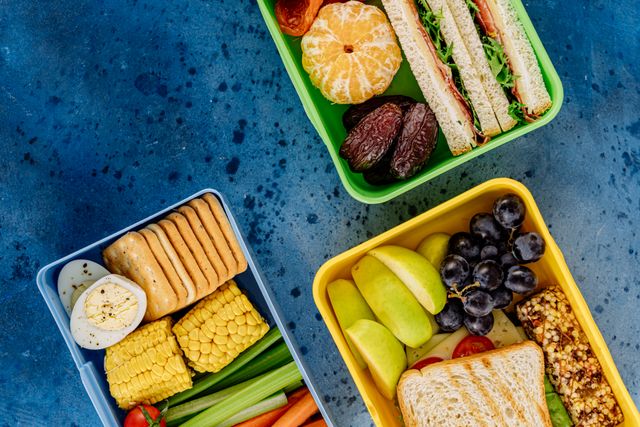
Meal prepping is the practice of preparing whole meals or individual ingredients ahead of your daily schedule. With your meals already planned, applying easy meal prep ideas lets you manage your weekly diet with total ease. To save time in the kitchen, try this way of cooking in bulk and storing the finished products in individual glass containers.
Inside a standard weekly meal plan, several basic components work together to build balanced daily dishes. Lean proteins act as the main base, while complex carbohydrates provide steady physical energy during long workdays. Fresh cooked vegetables store well in refrigerator bins, providing essential dietary fiber throughout your week.
Unlike ordering takeaway meals daily, preparing food at home gives you complete control over your ingredients. Prepped meals stay fresh in glass food containers for up to four full days without losing flavor. Storing ready dishes in your refrigerator makes serving quick meals simple after long hours at the office.
Why Preparing Meals in Advance Matters
Preparing food in advance prevents last-minute dining choices that lead to extra spending and poor nutrition. Taking time to learn easy meal prep ideas saves money by reducing frequent impulse orders at local restaurants. A well-planned kitchen routine handles your weekly nutrition smoothly without adding extra stress to your daily schedule.
To begin with, organizing your weekly ingredients prevents you from throwing away unused food items from your pantry. Basic home cooking routines like chopping vegetables and roasting meats do not require advanced culinary skills. Keeping simple food components in your fridge keeps your grocery expenses well within your target household budget.
Along with saving money, preparing home meals protects your personal health by controlling salt and oil quantities. Low-quality commercial food products often contain extra preservatives that cause feeling sluggish during afternoon work hours. Reliable home cooking keeps your meals wholesome, nutritious, and ready to consume whenever hunger strikes.
On top of health benefits, owning a prepped fridge improves your daily personal efficiency during busy weekdays. Quick reheating speeds allow you to enjoy hot lunches without waiting in long restaurant pickup lines. Organized food storage reduces daily kitchen cleanups, giving you extra free time for relaxing with your family.
How to Select Storage Containers and Tools
The right kitchen storage containers keep your cooked ingredients fresh and organized throughout the entire week. Major houseware manufacturers produce several container types designed for different storage spaces and reheating methods. Understanding basic container features helps you outfit your home kitchen without spending money on unnecessary gadgets.
Clear glass containers handle temperature changes easily without absorbing food odors or leaving stubborn oil stains. Plastic storage options offer lightweight convenience for taking lunches to work or outdoor picnic spaces. High-end silicone bags target small storage spaces, holding prepped soups, chopped vegetables, and frozen fruit blends.
When reviewing container options, check for tight locking lids that seal liquid ingredients safely inside. Modern leakproof storage boxes keep sauces separated from dry grains, preventing soggy textures before mealtime. Focus on matching container sizes to your typical meal portions to maintain fresh flavors inside your refrigerator.
How to Batch Cook Core Proteins
Preparing core protein bases early provides the foundation for building versatile daily meal combinations. Having pre-cooked proteins allows you to construct different breakfast, lunch, and dinner options with minimal effort. Cooking large protein portions keeps your daily menu interesting without forcing you to cook every single night.
Seasoned chicken breasts represent a simple starting point for basic weekly protein batch cooking routines. Pan roasting or baking meat on large sheet pans yields multiple portions within thirty minutes of active time. However, cooking different meats at once can fill your oven racks quite quickly during your prep session.
Plant proteins like lentils and chickpeas provide a budget option for building nutritious weekly grain bowls. Cooking dried beans in pressure cookers gives your meals firm textures that hold up well in sauces. Adding varied seasoning mixes keeps your weekly protein bases tasting fresh across multiple days of eating.
How to Roast Sheet Pan Vegetables
Roasting mixed vegetables on flat baking sheets creates flavorful side dishes that store well in food containers. These simple oven methods cook large batches of colorful produce with very little active supervision needed. High oven heat caramelizes natural plant sugars, turning simple raw produce into delicious weekly sides.
A tray of chopped root vegetables like sweet potatoes provides dense energy for busy afternoon working hours. If you plan to store tender green vegetables like broccoli, shorten your roasting time slightly. Managing delicate green produce requires light cooking so the vegetables stay firm when reheated later on.
A mix of bell peppers and onions offers a colorful side for fajitas, salads, and rice bowls. This combination provides plenty of natural flavor, making plain rice and chicken taste much more enjoyable. It allows you to add rich vegetable portions to your plate without spending hours at the stove.
How Grain Bases Support Daily Energy
Whole grain bases provide steady energy that keeps you feeling satisfied between your main daily meals. Grain options range from fluffy white rice to hearty ancient seeds like quinoa and farro. Selecting the right grain base depends on whether you value quick cooking times or rich nutty flavors.
Quinoa and brown rice offer firm textures that store neatly inside sealed containers for several days. These hearty grains hold up well under heavy sauces, making them ideal for work day lunches. However, smaller grain portions absorb liquids quickly, so store wet sauces in separate small jars.
Jasmine rice and couscous provide light bases that cook rapidly on standard stovetop burners in minutes. These soft grain options pair well with saucy stews, roasted chicken thighs, and stir-fried vegetable mixes. While these grains soften slightly over time, they offer a comfortable base for quick weeknight dinners.
Look for grain varieties that retain good texture after cooling down inside your home refrigerator. Adding a splash of water before microwave reheating keeps your cooked grains soft, fluffy, and pleasant. Good grain preparation prevents dry textures, ensuring your stored lunches taste delicious throughout your working week.
How Sauces and Dressings Add Variety
Homemade sauces transform basic batch-cooked ingredients into distinct culinary styles using simple kitchen spices. Preparing two or three different dressings each weekend prevents taste fatigue when eating similar base ingredients. Simple sauce recipes require basic items like olive oil, lemon juice, garlic, and fresh herbs.
Search for sauce recipes that use simple kitchen staples you already keep inside your pantry cabinets. Creamy peanut dressings pair wonderfully with roasted chicken, fresh cabbage, and brown rice bowls. Tangy herb vinaigrettes bring bright flavors to cold pasta dishes, leafy greens, and roasted root vegetables.
Store your custom dressings in small glass jars equipped with tight screw lids for safe keeping. Compact condiment containers fit easily inside lunch bags without taking up precious space next to main meals. Pouring fresh dressing over your food right before eating keeps crisp salad greens from turning soft.
How to Plan Your Weekly Prep Budget
Managing your weekly food budget requires smart planning before you set foot inside local grocery stores. Comparing prices across seasonal produce items keeps your total weekly grocery expenses manageable and predictable. Buying staple items in bulk quantities lowers the individual unit price of your routine household ingredients.
Here is how smart grocery habits help lower your weekly meal costs:
- Bulk Grains: Buying large bags of rice and oats reduces spending on daily carbohydrate bases.
- Seasonal Produce: Purchasing seasonal fruits and vegetables yields fresh quality at significantly lower retail prices.
- Frozen Ingredients: Storing frozen berries and vegetables prevents food spoilage while offering long-term pantry storage.
Planning your meals around existing pantry inventory prevents buying duplicate items during your weekend shopping runs. Using remaining pantry items before purchasing new stock keeps your kitchen shelves orderly and efficient. Smart budgeting practices protect your personal savings while maintaining high nutrition standards every single day.
How Food Safety and Storage Guidelines Protect Freshness
Following proper food safety steps prevents harmful bacteria growth inside your prepped meal containers throughout the week. Cooling hot dishes completely before snapping on airtight storage lids stops excess moisture accumulation inside containers. Correct refrigeration temperatures keep cooked meats and delicate vegetable items safe for four full days.
Here are essential food storage safety rules for every home cook:
- Temperature Control: Set your household refrigerator below four degrees Celsius to maintain steady food safety.
- Proper Labeling: Mark storage container lids with preparation dates using masking tape to track freshness easily.
- Safe Thawing: Defrost frozen meal portions inside your refrigerator overnight rather than leaving food on counters.
Reheating prepped meals to proper internal temperatures kills surface bacteria while restoring original recipe textures. Heat portioned meals thoroughly using microwaves or toaster ovens before sitting down for lunch breaks. Practicing basic kitchen safety ensures every prepared container remains fresh, delicious, and safe to eat.
How Quick Equipment Maintenance Keeps Prepping Simple
Taking care of basic cooking appliances keeps your weekly meal preparation sessions running smoothly and efficiently. Sharpening chef knives regularly allows you to slice raw meats and tough vegetables without physical strain. Clean cutting boards and sanitized countertops prevent cross-contamination between raw ingredients and cooked meal components.
Washing food preparation containers immediately after finishing meals prevents tough food stains and lingering lingering odors. Soaking glass baking dishes in warm soapy water loosens baked residues without scratching internal glass surfaces. Well-maintained kitchen tools save precious time and effort during every weekend batch cooking session.
Storing kitchen gadgets in labeled drawers keeps counter surfaces clear for active chopping and assembly tasks. Having easy access to measuring spoons, baking sheets, and food containers speeds up overall cooking times. Keeping your kitchen gear organized transforms routine weekly food prep into a fast, stress-free routine.
How to Organize Your Weekly Schedule
Establishing a regular kitchen routine keeps your meal preparation fast, orderly, and enjoyable every single week. Setting aside specific cooking hours prevents meal prep from feeling like a chore on busy weekends. Most home cooks find that dedicating two hours on Sunday yields enough food for several days.
Create a clear grocery list based on your chosen recipes before heading out to local markets. Buying specific ingredient quantities keeps your food cabinets organized and prevents impulse purchases at checkout lanes. Having every item ready on your kitchen counter makes the cooking process smooth and highly efficient.
Divide your kitchen tasks into logical steps like washing, chopping, baking, and assembling your finished containers. Cleaning your workspace as you go keeps counter surfaces clear and ready for the next recipe step. Establishing efficient cooking habits transforms your weekly prep session into an enjoyable and restful home activity.
Final Thoughts
Making healthy eating a habit becomes second nature after you establish a reliable routine in the kitchen. As a direct result of this consistency, applying these easy meal prep ideas shows how simple budgeting and safe storage make cooking effortless. Thus, these useful kitchen habits will help you save time and stay on track with your daily nutrition.