

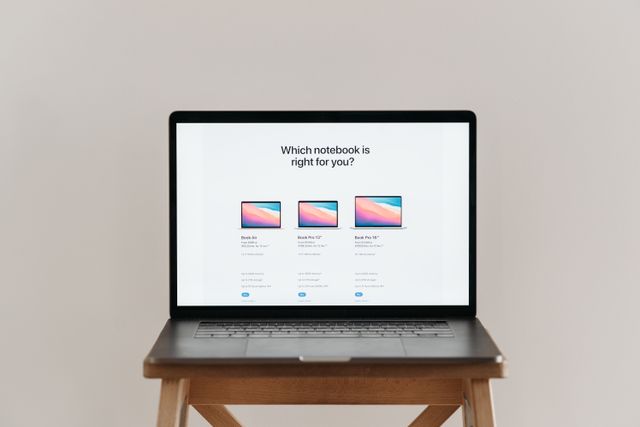
These days, most laptops have integrated screens, keyboards, and internal components, making them very portable. Because of this convenient design, how to choose a laptop for beginners becomes easier as one identifies which features actually fit their daily routine. These personal computers let us write documents, browse websites, watch videos, and manage personal accounts from anywhere.
Inside every notebook computer, several specialized hardware parts work together to run your daily desktop applications. The central processor acts as the primary brain, while the system memory holds active programs. Solid state drives store your personal files, family photos, and operating system software safely.
Unlike older desktop systems, portable computers run on rechargeable internal batteries for many hours without stopping. Wireless networking cards connect your device to home internet routers without using thick Ethernet cords. Lightweight frames make it simple to carry your computer between different rooms or offices.
Why Getting the Right Laptop Matters
Buying a suitable computer prevents frustrating daily performance delays while completing basic workplace or school tasks. Spending time learning how to choose a laptop for beginners saves more money by preventing unnecessary expensive hardware upgrades. A well-matched computer handles your routine activities smoothly without freezing or slowing down suddenly.
To begin with, matching hardware specifications to your actual workload prevents you from overpaying for unnecessary technical features. Basic daily activities like web browsing and reading email do not require high-end gaming parts. Buying moderate system specifications keeps your personal technology purchases well within your target household budget.
Along with saving money, buying reliable computer hardware protects your valuable daily work files from sudden loss. Low-quality components can overheat quickly or crash unexpectedly during important daily study sessions. Reliable storage drives keep your photos, personal records, and school projects protected for years.
On top of reliability, owning an efficient device improves your productivity throughout busy working days. Fast processing speeds allow you to open web browser tabs without waiting through annoying delays. Comfortable keyboards and bright screens reduce physical fatigue when typing documents for several hours.
How to Evaluate Computer Processors
The central processing unit manages every single command and calculation inside your personal computer system. Major chip manufacturers produce several processor levels designed for different daily computer workloads. Understanding basic chip names helps you evaluate store listings without getting confused by technical codes.
Entry-level processors handle basic tasks like word processing, streaming videos, and checking daily email messages. Mid-tier processors offer extra power for light photo editing, large spreadsheets, and multi-tab web browsing. High-end processors target heavy video rendering, software development, and modern graphic-intensive computer games.
When reviewing processor options, check the total core count and generation number listed on the box. Modern multi-core processors run several software applications simultaneously without reducing overall system responsiveness. Focus on mid-tier processors from recent release years to secure reliable performance for daily needs.
How to Select System Memory
System memory holds active software applications so your processor can access information without long delays. Having adequate system memory allows you to switch between multiple open programs without system lag. Limited memory space forces your computer to slow down while swapping active data files.
Eight gigabytes of memory represents the absolute starting point for basic modern computer operations. This capacity handles light web browsing, video streaming, and simple document creation without major issues. However, running several applications at once can fill this capacity quite quickly during daily use.
Sixteen gigabytes of system memory provides a much smoother experience for everyday personal computing needs. This capacity gives your computer enough room to handle dozens of browser tabs and heavy software. Investing in extra memory protects your computer performance as software updates require more resources.
How to Choose Storage Drive Capacity
Solid state storage drives hold your permanent files, installed software, and underlying system operating files. These modern storage drives read and write data much faster than old mechanical hard drives. Fast storage drives allow your computer system to turn on within a few seconds.
A two-hundred fifty-six gigabyte drive provides adequate space for basic documents and light software usage. If you plan to store high-resolution photos or video projects, this space fills up fast. Managing small storage drives requires frequent file clearing or reliance on cloud storage accounts.
A five-hundred twelve gigabyte storage drive offers a balanced option for most everyday personal computer users. This capacity provides plenty of space for large applications, personal media collections, and system updates. It allows you to keep your important files saved locally without worrying about running out of space.
How Display Screens Affect Your Experience
The laptop display screen serves as your primary window for viewing digital content, text, and media. Screen dimensions usually range between thirteen inches and seventeen inches measured diagonally across the display. Selecting the right screen size depends on whether you value porting convenience or workspace size.
Thirteen-inch and fourteen-inch screens offer compact dimensions that fit easily inside standard backpacks or tote bags. These smaller models weigh less, making them ideal for students moving between different classroom spaces. However, smaller screen surfaces limit the amount of text you can view comfortably at once.
Fifteen-inch and sixteen-inch screens provide a wider workspace that makes viewing multiple documents much easier. These larger models frequently include full numeric keypads, which benefit people working with financial numbers. While these computers weigh slightly more, they offer a comfortable view for long desktop sessions.
Look for display panels featuring full high-definition resolution to keep onscreen text crisp and readable. Anti-glare screen coatings reduce harsh reflections when working near bright office lights or sunny windows. Good screen brightness levels prevent eye strain during extended reading or typing sessions throughout your day.
How Graphics Cards Impact Performance
Graphics cards process visual data and render video images onto your computer display screen. Most modern laptop processors contain built-in graphics chips that handle everyday video playback easily. Understanding graphics options helps you determine whether your computer needs specialized visual hardware.
Integrated graphics share system memory to render web pages, document layouts, and high-definition streaming movies. This configuration conserves internal battery power and keeps laptop bodies thin and lightweight. It provides more than enough visual processing power for basic home, office, and school tasks.
Dedicated graphics cards possess separate memory chips designed specifically for demanding visual computing work. Creative professionals need dedicated graphics for three-dimensional modeling, complex video production, and high-frame gaming. However, laptops with dedicated graphics cards consume more battery power and generate extra internal heat.
How Operating Systems Compare for Beginners
The operating system serves as the primary software platform that manages your hardware and user interface. Choosing an operating system determines which software programs you can install on your new device. Each major platform offers distinct advantages depending on your familiarity with digital tools.
Here is how the three main desktop platforms compare for new users:
- Windows Systems: Offer broad compatibility with third-party software, popular productivity suites, and desktop video games.
- Mac Systems: Provide long battery endurance, quiet operation, and tight integration with consumer mobile devices.
- Chrome Systems: Deliver lightweight web browsing and budget pricing for users who work inside internet browsers.
How to Evaluate Battery Life
Battery performance determines how long you can work away from electrical wall outlets during your day. Computer manufacturers list estimated battery hours, but actual battery usage depends on your active settings. High screen brightness and heavy software applications drain internal battery power much faster than normal.
Search for laptop models that offer at least eight hours of real-world battery performance per charge. Reliable battery endurance allows you to work productively in coffee shops, libraries, or outdoor spaces. It frees you from constantly searching for available wall outlets everywhere you go.
Modern computer chargers use standardized power connectors that replenish internal battery power very quickly. Compact power adapters fit easily inside carry bags without adding heavy physical weight to your gear. Fast-charging features can recharge your battery to fifty percent capacity in under an hour.
How to Test Keyboard and Port Options
The physical keyboard and trackpad serve as your main tools for inputting commands and writing documents. Keys should feel stable and offer comfortable travel depth when pressed down during long typing sessions. Backlit keys help you type accurately in dimly lit rooms or late-night study environments.
A responsive trackpad should detect your finger movements accurately without skipping or freezing on screen. Multi-touch gesture support allows you to scroll through web pages and switch windows using simple gestures. Testing the trackpad surface ensures your fingers slide smoothly without feeling sticky or rough.
Physical connection ports allow you to attach external accessories like mice, flash drives, and external monitors. Look for computers featuring standard rectangular connection slots alongside modern oval universal connection slots. Having varied built-in connection slots saves you from buying extra conversion adapters for basic accessories.
Audio jacks let you connect wired headphones for private listening during video calls or online classes. Integrated webcams and microphones allow you to join virtual meetings without buying external video accessories. Physical webcam privacy shutters let you block the camera lens when not in video calls.
Final Thoughts
You can avoid wasting money on unnecessary features by learning how to choose a laptop for beginners. Focus on getting sixteen gigabytes of memory, adequate storage space, and a comfortable screen size for your daily needs. Take time to compare different models today to purchase a reliable computer that supports your personal goals.