

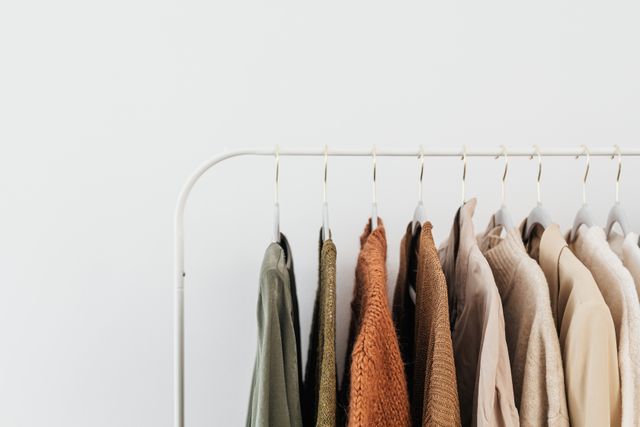
Getting dressed in the morning should feel easy instead of making you feel completely stressed out. Starting a capsule wardrobe for beginners clears the unnecessary clutter out of your daily routine. You will quickly discover that owning fewer clothing items makes your busy life much simpler.
What Is a Capsule Wardrobe
A capsule wardrobe is a small collection of clothes that work together easily. Learning how to build a capsule wardrobe for beginners helps you save money on clothes each year. This clothing collection usually includes items like basic shirts, pants, skirts, and coats.
Most collections stay within a specific color palette so everything matches well. People choose neutral colors like black, white, grey, or navy for their main items. You can mix and match these pieces to make many different outfits.
The main goal is to own fewer clothes while creating more outfit choices. This practice keeps your closet clean and makes getting dressed much quicker every day. It also stops you from buying clothes that you do not really need.
Benefits of Minimalist Clothing Collections
A small wardrobe cuts down the time you spend choosing an outfit each morning. You do not have to look through a crowded closet full of unneeded items. Every piece of clothing in a small collection fits you well and matches your style.
Buying fewer clothes saves a lot of money over a long period. You invest your money in durable clothes instead of cheap items that wear out fast. This approach helps people keep their clothing budgets low while still looking great.
A smaller closet also reduces stress for people who dislike messy spaces. You always know exactly what clothes you own and where they are located. Less clutter in your bedroom leads to a more peaceful living environment.
How to Audit Your Current Closet
You must look at your current clothes before you buy anything new. Take every item out of your closet and lay them on your bed. This step shows you exactly how much clothing you actually own right now.
Divide all your current clothes into three separate piles during this process. Make one pile for clothes you wear often and love to use. Make a second pile for clothes that do not fit or need repairs.
The third pile is for items you have not worn in the past year. Put these unused clothes into a box to donate or sell for extra cash. Keeping only the items you love makes building your new collection much easier.
Picking Your Base Color Palette
A good clothing collection relies on a strong foundation of simple neutral colors. Neutral colors include shades like black, navy blue, grey, brown, or white. These colors look good together and form the base of every outfit you wear.
Choose two main neutral colors that you already enjoy wearing the most. For example, you might choose black and grey as your primary wardrobe base. These two shades will dictate the colors of your pants, skirts, and jackets.
You can add one or two accent colors after choosing your neutral base. Accent colors add variety to your clothes without making matching too difficult. Good accent choices include soft blues, dark reds, or olive green shades.
Selecting Essential Clothing Pieces
A standard starter wardrobe contains around thirty total pieces of clothing. This number includes tops, bottoms, dresses, outerwear, and shoes for daily use. It does not count your underwear, workout clothes, or sleepwear.
Start with five basic tops like plain t-shirts and button-down shirts. Add three pairs of pants, including jeans and classic trousers for work. You also need two versatile skirts or dresses that work for different events.
Finish your item list with two jackets and three pairs of shoes. Make sure every single piece matches at least three other items in your collection. This matching rule guarantees you can create dozens of different outfits easily.
Managing Clothes for Different Seasons
A seasonal closet system keeps your daily clothing choices highly organized and relevant. You store away your heavy winter coats when the warm summer weather arrives. This method ensures that your active closet only contains items you can wear right now.
Swap your clothes out twice a year to match the changing weather patterns. Put your lightweight summer dresses into storage containers when the autumn chill begins. This process keeps your main closet space clean and free of unnecessary visual distractions.
You can use transitional items that work well across multiple seasons during the year. A lightweight cardigan works perfectly for cool summer nights and chilly spring mornings. Layering your clothing pieces helps you get more use out of fewer individual items.
Finding Your Personal Style Pattern
Look at your favorite clothes to see what styles you prefer to wear. You might notice that you always choose soft cotton fabrics over stiff materials. Recognizing these regular habits helps you avoid buying items you will never actually wear.
Take photos of your outfits for one week to track your visual preferences. This daily practice reveals which clothing combinations make you feel the most confident. You can use these successful outfits as a template for future clothing purchases.
Do not follow temporary fashion trends that disappear after a few short months. Stick to classic clothing cuts that look good regardless of the current year. Classic styles ensure that your small wardrobe remains useful for many years to come.
Organizing Your Closet for Daily Efficiency
Hang your clothes by category to make finding specific items fast and simple. Group all your basic shirts together before arranging your pants in the next section. This orderly arrangement helps you see all your outfit options at a glance.
Use matching hangers to give your closet a clean and professional appearance. Mismatched hangers create visual noise that makes a small space look incredibly messy. Wooden or velvet hangers also protect your clothes from stretching out out of shape.
Keep your shoes on a low rack where you can reach them easily. Store your most common footwear at the front of the rack for quick access. This simple placement trick saves you extra time when you get ready each morning.
Caring for Clothes to Ensure Longevity
Wash your clothes less often to prevent the fabrics from wearing out quickly. Many garments stay clean enough for a second wear if you do not spill anything. Hanging items up to air out removes minor odors without using a washing machine.
Always read the care labels on your garments before you wash them. Use cold water cycles to keep your colored clothes from fading over time. Cold water also prevents regular cotton items from shrinking in the washing cycle.
Air dry your clothing pieces on a drying rack instead of using a machine. The high heat from a traditional dryer destroys delicate fabric fibers very quickly. Air drying keeps your clothes looking brand new for a much longer period.
Selecting Durable Fabrics and Textiles
Sturdy cotton fabrics offer great durability for daily wear items like t-shirts. Heavy denim material resists tearing and handles frequent washing without losing its original shape. Wool provides excellent warmth during cold months and stays in good condition for years.
Linen works exceptionally well for warm weather clothing due to its light weight. Synthetic fibers like nylon add helpful stretch and strength to basic everyday garments. Choosing tight fabric weaves prevents threads from pulling loose during regular physical activities.
Check the thickness of a shirt fabric before you purchase the item. Hold the clothing material up to a bright light to examine the density. Thick fabrics usually survive regular wear much better than thin cheap materials.
Tracking Your Cost Per Wear
Calculate the value of your garments by dividing price by total uses. A cheap shirt worn twice costs more per use than an expensive jacket. This math shows the true financial impact of your clothing purchases over time.
Keep a simple digital list of how often you wear each item. This numerical data reveals which garments provide the highest value for your budget. You can quickly identify items that fail to justify their initial shelf price.
Smart shoppers use cost per wear metrics to guide their future clothing purchases. This strategy shifts your focus away from low prices toward actual daily usage. You learn to view clothing items as long term lifestyle investments.
Mastering the Art of Layering
Layering allows you to create many unique looks using very few items. Put a basic sweater over a collared shirt for a quick style change. This simple method triples the outfit options available in your existing closet layout.
Use light jackets to change the look of a plain white t-shirt. A dark denim jacket creates a casual outfit for weekend activities. A structured blazer changes that exact same shirt into appropriate business attire.
Mix different fabric textures to add visual depth to your clothing combinations. Combine smooth silk tops with rough denim pants for an appealing style balance. Textural variety makes simple monochrome outfits look much more interesting to viewers.
Defining Your Specific Dress Code
Examine your regular daily activities to determine your actual clothing requirements. A remote office worker requires different items than a construction site manager. Your closet contents must match the physical demands of your current career path.
Allocate your limited clothing budget toward the items you wear most frequently. Spend more money on professional work clothes if you work in an office. Save your funds by purchasing fewer formal dresses or rare evening wear items.
Your social life also dictates the types of garments you should own. Active individuals need durable outdoor gear rather than delicate designer fabric pieces. Match your clothing percentages directly to the actual time spent at activities.
Tips for Shopping on a Budget
You do not need to spend a lot of money to make a great wardrobe. Thrift stores and secondhand shops are excellent places to find high-quality clothes cheaply. Many people donate brand-new clothes with the tags still attached to these stores.
Look for clothing sales at regular retail stores during the end of seasons. Winter coats are much cheaper in the spring when stores clear out old stock. Summer dresses go on sale when the autumn weather begins to arrive.
Focus your money on buying better quality items that will last a long time. It is cheaper to buy one good pair of pants than three cheap pairs. Cheap clothes rip quickly and force you to spend more money on replacements.
Avoiding Common Wardrobe Mistakes
Do not buy an item just because it is currently on sale. A cheap price tag is a bad reason to purchase a garment you dislike. You only save money if you actually wear the item on a regular basis.
Avoid buying clothing items that require expensive professional dry cleaning services. These hidden maintenance costs quickly ruin the savings of a budget closet framework. Choose machine-washable fabrics to keep your ongoing clothing expenses as low as possible.
Never purchase clothes that do not fit your current body shape perfectly right now. Do not buy smaller sizes based on a hope that you will lose weight later. Your clothing collection must serve your actual life and body today to remain functional.
Key Takeaway
Building a small clothing collection helps you save money and reduces daily stress. Starting a capsule wardrobe for beginners keeps your fashion choices simple and highly affordable. You do not need a large budget to create a stylish and functional closet.