

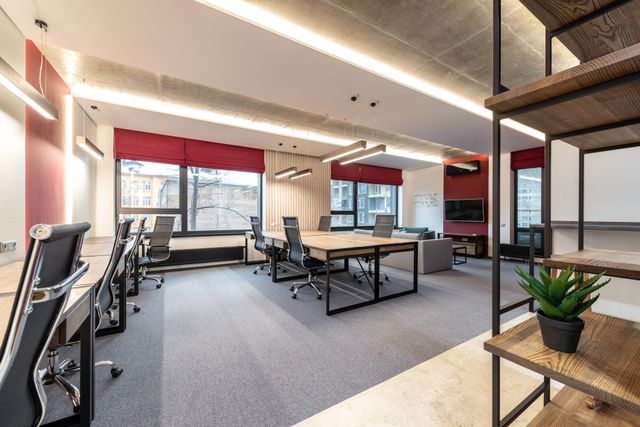
Finding the right commercial space is one of the most consequential decisions a small business owner will make. Get it right, and your space becomes a foundation for growth. Get it wrong, and you’re locked into a costly lease that drains your cash flow and limits your options for years. Renting commercial space for a small business doesn’t have to be overwhelming, but it does require the right preparation before you sign anything. This commercial property guide walks you through everything you need to consider, from defining your requirements to reviewing the fine print on your lease.
Start With Your Actual Business Needs
Before you browse listings, tour spaces, or talk to a landlord, get clear on what your business actually needs. This sounds obvious, but many small business owners skip this step and end up evaluating spaces based on appearance and price alone, only to realize after signing that the layout, size, or location doesn’t work for how they actually operate.
Start by assessing your actual needs: how many people need workspace, how often, and what type of work environment supports your team best. Write down a clear list of must-haves and nice-to-haves before you start searching. Must-haves are non-negotiable: the minimum square footage you need, the type of space (office, retail, warehouse, or a combination), and any specific infrastructure requirements like loading docks, high ceilings, or specialized electrical setups.
Set a realistic budget that includes all costs, not just base rent. Commercial leases often come with additional costs that aren’t immediately obvious from the advertised rent. Utilities, property taxes, building maintenance, insurance, and fit-out costs can add significantly to your monthly outgoings. Make sure your budget accounts for all of these before you commit to a number.
Location: More Than Just an Address
Location is one of the most important factors in renting commercial space for small business, but what makes a location good depends entirely on your type of business.
For retail and customer-facing businesses, foot traffic, visibility, and parking availability are critical. A storefront in a high-foot-traffic area will almost always justify a higher rent than a similar space tucked away on a quiet street, because the location itself drives business. Before moving into a neighborhood, do your research. Make sure the area’s customer demographics match your target market and that nearby businesses are complementary rather than direct competitors pulling from the same customer base.
For office-based businesses, the priorities shift. Ease of access for your team matters more than walk-in visibility. Research locations that work for your team’s commutes and your business operations. A location that’s inconvenient for your employees adds friction to the daily work experience and can affect retention over time.
For any business, consider proximity to suppliers, clients, and key partners. A location that reduces travel time and logistics complexity can have a real impact on operational efficiency, especially in the early stages when time and resources are limited.
Know the Different Types of Commercial Leases
One of the most practical commercial real estate tips for first-time tenants is to understand the different lease structures before you start negotiating. Not all commercial leases work the same way, and the type you sign determines how much financial risk you’re taking on.
There are several types of commercial lease agreements. A full-service lease means the tenant pays a base rent while the landlord covers other expenses like utilities, insurance, and taxes. A net lease means the tenant pays base rent plus some or all of the property’s operating expenses directly. A percentage lease, common in retail, means the tenant pays base rent plus a percentage of monthly revenue above a certain threshold.
For small businesses signing their first commercial lease, a full-service or gross lease is generally the most predictable option because it bundles costs into one monthly payment. Net leases can look attractive upfront because the base rent appears lower, but the additional costs can add up to more than a full-service arrangement depending on the building.
Size and Scalability
Getting the size right is harder than it sounds. Too small and you’ll outgrow the space before your lease ends. Too large and you’re paying for square footage you don’t need, which is one of the most common ways commercial rent drains a small business’s cash flow early on.
A practical approach is to estimate your current space requirements, then add a modest buffer for near-term growth. Keep in mind that your business may grow, and know what kind of limits you will encounter if you want to expand. Check whether you will be allowed to build out the space by verifying whether zoning laws will impact your expansion plans. Some leases include expansion clauses that give you the right of first refusal on adjacent space if it becomes available, which is worth asking about before signing.
Also consider the layout. An open floor plan might work well for a collaborative team but poorly for a business that needs privacy or noise separation between functions. Walk through the space with your actual workflow in mind, not just the square footage on the listing.
Lease Terms and Flexibility
Lease length is one of the most significant commitments you’re making when renting commercial space for small business, and it deserves careful thought. Longer leases typically offer lower monthly rates, but they also lock you in for a longer period, which can be a real problem if your business grows faster than expected or if the space turns out not to work for your operations.
In 2026, the most successful commercial space decisions balance flexibility, cost certainty, and employee experience rather than focusing on rent alone. Shorter, more flexible lease terms have become more common following shifts in how businesses use physical space, and many landlords are now more willing to negotiate flexible arrangements than they were a few years ago.
Be aware of the consequences of breaking your lease. In some cases, you might not just lose your security deposit, but could be liable for significant costs for ending a lease early. Review the opt-out clause carefully before signing. Understanding your exit options before you sign is just as important as understanding the terms that apply when everything goes smoothly.
How to Lease Office Space: What to Check Before Signing
Once you’ve identified a space you want to proceed with, there are several things to verify before you commit. This is where many first-time commercial tenants rush, particularly if they’ve fallen in love with a space or feel time pressure from competing interested parties.
Check the physical condition of the space thoroughly. Look at the electrical and plumbing systems, the state of the HVAC, the quality of the internet infrastructure, and the general condition of walls, floors, and ceilings. What’s included in a commercial lease varies dramatically depending on the type of space you rent. Traditional commercial leases often provide just the space, meaning you’re responsible for furniture, internet, utilities, maintenance, and everything else. Get clear on what the landlord is responsible for and what falls to you as the tenant before you sign.
Ask about building accessibility. If your customers or employees include people with disabilities, the building needs to meet relevant accessibility standards. Check whether there are adequate facilities, accessible entrances, and sufficient parking for your needs.
Many landlords require tenants to purchase insurance. Make sure you understand the insurance requirements in full. You never want to be underinsured, and the insurance terms in your lease may specify minimum coverage levels you need to meet.
Review the zoning requirements for the property. Not every commercial space is zoned for every type of business activity, and operating in a space that isn’t zoned for your use can create serious legal problems. Confirm with your local planning authority or a commercial real estate professional that the zoning permits what you intend to do there.
Working With a Commercial Real Estate Agent
For most small business owners, working with a commercial real estate agent or tenant-representative broker is well worth it, particularly if this is your first time leasing commercial space.
Commercial leasing agents often have access to off-market deals or sublease space, they know the local office market, and they speak the same language as landlords and property managers. Because they’re paid by the building owner to lease the space, they work for you at no direct cost. That said, because their commission comes from the landlord, it’s still wise to conduct your own independent research alongside their recommendations.
A good agent can help you compare options objectively, identify terms worth negotiating, and avoid common pitfalls that first-time commercial tenants often don’t know to look for. They can also give you an accurate sense of whether the asking rent for a space is in line with the current market, which is information that’s genuinely difficult to find on your own without significant market knowledge.
Negotiate Before You Sign
Everything in a commercial lease is negotiable to some degree. Rent, lease length, fit-out contributions from the landlord, rent-free periods, and renewal options are all areas where a well-prepared tenant can often secure better terms than the initial offer.
Companies that clearly define how their team actually works today and how that may change over the next one to three years before signing a lease are far better positioned to negotiate terms that fit their actual needs rather than terms that look good on paper but don’t work in practice.
Come to the negotiation with a clear sense of what matters most to you, what you’re flexible on, and what your alternatives are. Knowing that you have other spaces under consideration gives you genuine leverage. Appearing desperate to secure a specific space removes it.
Final Thoughts
Renting commercial space for a small business is a major commitment, and the right approach is to treat it with the same level of care as any other major business decision. Define your needs clearly before you start looking, understand the lease structure you’re agreeing to, verify everything about the physical space and the legal terms before signing, and don’t rush the process just because a space looks appealing. Take the time to get this right, and your commercial space will work for your business rather than against it.