


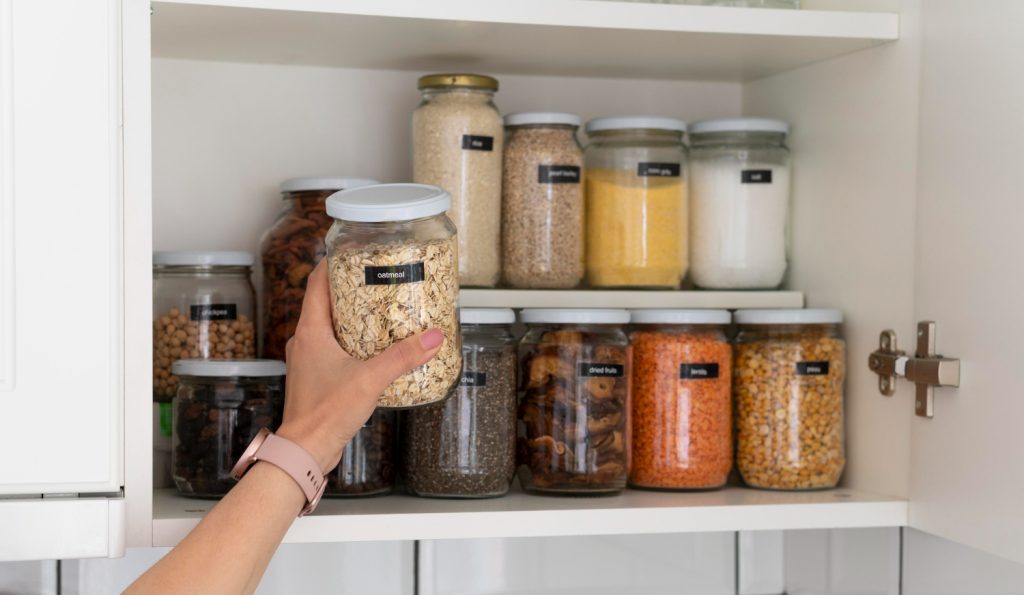
A tidy kitchen makes daily cooking, cleaning, and meal preparation easier. However, organizing this space does not require expensive cabinets, custom shelves, or new appliances. Simple changes to storage, item placement, and cleaning habits can improve how a kitchen functions. Today’s blog will help you, the readers, on how to make your kitchen more organized even on a tight budget.
Why is Kitchen Organization Important
A well-organized kitchen gives every item a practical place and makes daily tasks more manageable. Cluttered counters and crowded cabinets can make food preparation difficult, especially in small kitchens. An organized layout also makes ingredients easier to locate, reduces forgotten food, and simplifies cleaning. These improvements often come from rearranging existing items rather than purchasing additional storage products.
How You Can Reduce Clutter Before Spending a Dime
Kitchen clutter often comes from duplicate utensils, unused containers, expired ingredients, and appliances that rarely get used. Removing these items creates more room without adding expenses. Sorting belongings into frequently used, occasionally used, and unnecessary items provides a clear starting point. This process also helps identify storage problems before money is spent on organizers.
Making Everyday Tasks Easier
The placement of kitchen items affects how efficiently people prepare meals and clean afterward. Keeping cooking utensils near the stove and frequently used plates near the dining area reduces unnecessary movement. Storing ingredients together also makes meal preparation more straightforward. A practical arrangement keeps essential items accessible while leaving enough counter space for cutting, mixing, and other tasks.
How to Organize Your Kitchen on a Budget
Affordable kitchen organization begins with a clear inventory of available space and household needs. Cabinets, drawers, shelves, and counters can serve different purposes depending on their size and location. The goal is to create convenient storage using existing resources first. Small, deliberate adjustments often provide better results than purchasing multiple containers without a specific storage plan.
1. Reuse Containers You Already Own
Glass jars, sturdy food containers, and small boxes can hold dry ingredients, spices, packets, and kitchen accessories. Clean containers can also group similar items inside drawers or cabinets. Clear jars make their contents easier to identify, while labeled boxes help separate smaller belongings. Reusing suitable household items reduces waste and avoids unnecessary spending on dedicated organizers.
2. Arrange Cabinets by Function
Grouping similar items makes cabinets easier to manage. Plates, bowls, and drinking glasses can occupy one area, while pots, pans, and cooking tools stay near the stove. Baking ingredients and supplies can share another section. Frequently used belongings should sit within easy reach, while occasional-use appliances and specialty cookware can occupy higher shelves or less accessible spaces.
3. Make Better Use of Vertical Space
Vertical storage can create additional room in cabinets and on counters. Existing shelves may accommodate stackable containers, while sturdy hooks can hold suitable utensils or oven mitts. A small rack can separate cutting boards or baking trays when cabinet space is limited. Any added shelf or hanging fixture should support its intended load and remain clear of heat sources.
4. Organize Drawers With Simple Dividers
Kitchen drawers often become crowded when utensils, tools, and miscellaneous items share the same space. Reusable boxes or appropriately sized containers can separate these belongings into clear categories. Measuring the drawer before adding dividers helps prevent wasted space. Keeping frequently used utensils near the main preparation area also reduces the time spent searching for equipment during cooking.
5. Keep Counters Clear
Countertops provide valuable space for food preparation, so storing every appliance on them can limit their usefulness. Frequently used appliances may remain accessible, while occasional-use equipment can return to cabinets after use. A small tray can group cooking oils or commonly used seasonings in one area. This arrangement creates a more orderly surface without requiring extensive renovations.
Affordable Habits That Keep a Kitchen Organized
Storage changes work best when everyday routines support them. Returning items to their assigned places, checking food supplies, and cleaning surfaces regularly can prevent clutter from building up again. These habits require little or no additional spending. A simple maintenance routine also makes it easier to notice overcrowded cabinets, unused products, and storage arrangements that no longer suit household needs.
Use a First-In, First-Out Food System
Placing older ingredients near the front of a shelf helps households use them before newer purchases. Newly purchased products can sit behind existing items, provided all food remains stored safely. Checking expiration dates and inspecting pantry supplies during regular grocery planning can reduce forgotten ingredients. Perishable foods also require appropriate refrigeration and storage according to food safety guidance.
Follow a Short Daily Reset
A brief kitchen reset can include washing dishes, wiping counters, returning utensils, and removing rubbish. Completing these tasks after meals prevents small messes from accumulating into larger cleaning jobs. Household members can share the routine according to their schedules. Consistent maintenance keeps storage areas usable and helps preserve the organization created through earlier adjustments.
Common Kitchen Organization Mistakes
Buying storage products before measuring available space can create more clutter and unnecessary expenses. Oversized containers may waste cabinet room, while too many countertop organizers can reduce preparation space. Storing heavy cookware on unstable shelves also creates safety concerns. Another common problem is assigning inconvenient locations to everyday essentials, which can lead to items being left on counters instead of returned to storage.
Key Takeaway
How to organize your kitchen on a budget comes down to using available space carefully, reducing unnecessary belongings, and creating practical storage habits. Reused containers, grouped cabinets, simple drawer dividers, and clear countertops can improve kitchen organization without major expenses. Food rotation and short daily cleaning routines help maintain these improvements over time. The most effective arrangement depends on household needs, kitchen size, and cooking habits. A functional kitchen does not require expensive upgrades when existing resources are arranged thoughtfully and maintained regularly.