


Keeping healthy snacks at home sounds simple in theory. In practice, it usually means a fruit bowl that goes untouched while everyone reaches for the chips instead. The key to making nutritious snacks work for a whole family isn’t just buying better food. It’s buying the right things, keeping them accessible, and making sure there’s something for every appetite and age group. This guide covers the best healthy snacks to keep at home, with practical tips on how to prep them so they’re the first thing people reach for.
Why Healthy Snacking at Home Matters More Than You Think
Snacking gets a bad reputation, but it’s not snacking itself that’s the problem. It’s the default options most households keep on hand. When the easiest thing to grab is a bag of chips or a handful of biscuits, that’s what gets eaten. When the easiest thing to grab is a container of cut vegetables with a dip, or a handful of mixed nuts, the choice becomes almost effortless.
Although grocery and convenience stores are stocked with quick options like chips, crackers, and candy, nutritious whole foods are a better choice. Fruits, vegetables, whole grains, dairy products, lean meats, eggs, beans, and nuts all provide important nutrients. These foods support energy, concentration, and overall health throughout the day.
For families with children, this matters even more. The snack habits kids develop at home tend to follow them. Building a snack environment that makes nutritious choices the default is one of the most practical things a household can do for long-term health.
What Makes a Good Snack?
Not every healthy-sounding snack is created equal. A good snack for everyday home use should do three things: keep you satisfied until the next meal, provide real nutritional value, and be easy enough to grab without much preparation.
A general recommendation from nutrition experts is to aim for snacks of 200 calories or less. Also, combine fiber and protein to reduce mindless snacking and support healthier eating habits throughout the day. That combination of fiber and protein is the key. Fiber keeps you full. Protein keeps you satisfied. Together, they prevent the blood sugar spike and crash that comes from snacking on refined carbohydrates alone.
With that framework in mind, here are the best nutritious snacks for families to keep stocked at home.
1. Fresh Fruit
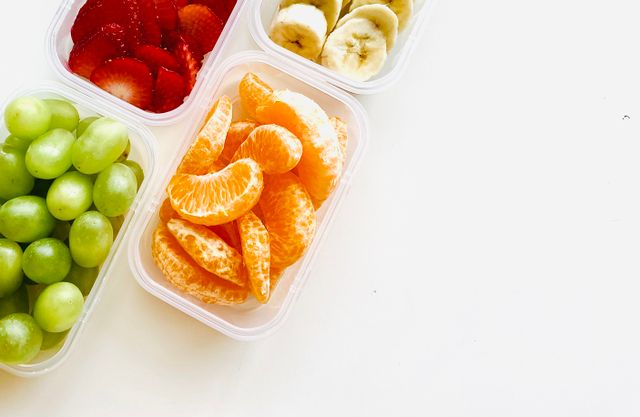
Fresh fruit is one of the most naturally convenient healthy snack ideas available, and it requires almost no preparation. Bananas, apples, oranges, grapes, and berries are all easy to grab and eat without any setup. The trick to making fruit the go-to snack is visibility. A bowl of fruit on the counter gets eaten. Fruit stored at the back of the fridge does not.
For families with young children, pre-washing and cutting fruit at the start of the week removes the one small barrier that often stops people from choosing it. A container of sliced melon, a bowl of washed grapes, or a tray of mixed berries in the fridge is significantly more likely to get eaten than whole, unwashed fruit that requires effort when hunger strikes.
Pairing fruit with a protein source makes it a more complete snack. Apple slices with peanut butter, berries stirred into Greek yogurt, or banana with a small handful of nuts all turn a simple piece of fruit into something more sustaining.
2. Vegetables with Dip
Raw vegetables are one of the most nutritious snacks for families, but they tend to go untouched unless they’re prepped and ready to eat. Nutritionists often recommend cut vegetables as an ideal snack for families. Chopping carrots, cucumbers, and bell peppers at the start of the week and storing them in an airtight container with a little water keeps them crisp and ready to grab throughout the week.
The dip matters too. Hummus is one of the most popular pairings because it adds both protein and healthy fat to what would otherwise be a light snack. Greek yogurt-based dips and nut butters work well too, depending on the vegetable.
Making a large batch of hummus and freezing it in individual portions means there’s always a ready-to-use dip available without needing to open a new container every few days. This kind of simple meal prep habit is what keeps healthy snacking consistent rather than occasional.
3. Greek Yogurt
Greek yogurt is one of the most versatile and genuinely nutritious snacks for families because it works for everyone from young children to adults. It’s high in protein, contains gut-friendly probiotics, and pairs well with both sweet and savory toppings.
Plain or lightly sweetened Greek yogurt topped with fresh berries and a small drizzle of honey is a satisfying snack that covers multiple food groups in one small bowl. For children who prefer something sweeter, mixing in a small amount of fruit preserves or blending it with frozen fruit turns it into something that competes with the appeal of ice cream without the sugar load.
For a quick easy healthy snack recipe that works for the whole family, layer Greek yogurt, granola, and fresh fruit in a small jar or cup. It takes about two minutes to assemble and keeps well in the fridge for a day, making it a reliable grab-and-go option on busy mornings or after school.
4. Nuts and Seeds
Nuts are one of the best healthy snacks to keep at home because they require no preparation, have a long shelf life, and are genuinely satisfying in small amounts. Pre-portioned snacks like trail mix, nuts, or popcorn that have 130 calories or fewer make great everyday snacks for families.
A small handful of almonds, cashews, walnuts, or a mix of all three provides healthy fats, protein, and a range of micronutrients in a compact, shelf-stable format. Seeds like pumpkin seeds and sunflower seeds offer similar benefits and work well as an add-on to other snacks like yogurt, oatmeal, or salads.
The most practical approach is to portion nuts into small containers or bags at the start of the week. This makes them easy to grab without overeating, which can happen when snacking directly from a large bag.
5. Whole Grain Crackers with Protein Toppings
Whole grain crackers with a protein topping are one of the easiest healthy snack ideas for families because they’re quick to assemble and endlessly flexible. Cream cheese, cottage cheese, nut butter, or sliced boiled eggs all work well as toppings, and each one adds a meaningful amount of protein to what would otherwise be a carbohydrate-heavy snack.
Opting for organic, whole-grain crackers with a short, simple ingredient list helps avoid hidden sugars and preservatives that are common in many packaged cracker products. When shopping, look for crackers where whole grain flour is the first ingredient on the label, and where the total ingredient list is short enough to read in under ten seconds.
6. Energy Balls
Energy balls are one of the most family-friendly easy healthy snack recipes because they can be made in a large batch, stored in the fridge for up to five days, and customized based on what your family likes. The basic formula is simple: combine oats, a nut butter, a natural sweetener like honey, and a mix-in of your choice such as dark chocolate chips, dried fruit, or flaxseed. Roll into small balls and refrigerate.
A simple energy ball recipe combines peanut butter, honey, vanilla extract, oats, flaxseed, and chocolate chips. Mix until the mixture can be formed into balls, roll into individual portions, and refrigerate. They can be eaten immediately or stored for up to five days. For an allergy-friendly version, sunflower seed butter and maple syrup work as substitutes.
Children tend to enjoy making these as much as eating them, which adds a useful bonus. Getting kids involved in preparing snacks is one of the most effective ways to get them genuinely interested in eating healthier options.
7. Popcorn
Popcorn is one of the most underrated healthy snacks to keep at home. It is a snack that has a little protein and fiber, making it more satisfying than many other grain-based options. Air-popped popcorn in particular is low in calories and high in volume, which makes it feel like a generous snack without the calorie cost of most packaged options.
The key is preparation. Pre-packaged microwave popcorn often contains added butter, artificial flavoring, and preservatives. Air-popping at home and seasoning it yourself with a little olive oil, salt, nutritional yeast, or cinnamon gives you full control over what goes into it. With this, the result is genuinely better.
Tips for Making Healthy Snacking a Habit at Home
Having the right snacks available is only part of the equation. How you store and present them makes a bigger difference than most people expect.
Keep healthy options at eye level. In the fridge, place prepped fruits, vegetables, and yogurt at the front where they’re immediately visible when the door opens. Push less nutritious options to the back. In the pantry, move nuts, whole grain crackers, and dried fruit to the most accessible shelf.
Prep once, snack all week. The biggest barrier to healthy snacking is effort at the moment of hunger. Spending twenty to thirty minutes at the start of the week washing fruit, cutting vegetables, portioning nuts, and making a batch of energy balls removes that barrier entirely. When the work is already done, healthy choices become the path of least resistance.
Getting kids involved in preparing snacks teaches them about wholesome ingredients. This makes the experience more engaging and significantly increases how willing they are to eat the results. Even simple tasks like washing fruit, stirring ingredients together, or scooping portions into containers give children ownership over the process.
Read labels before buying packaged snacks. Many products marketed as healthy are anything but. Getting familiar with how to read food labels, ensuring sugar content is low, and the ingredient list is simple. This helps families make genuinely informed choices at the grocery store rather than relying on marketing claims.
Final Thoughts
Stocking your home with healthy snacks doesn’t require a major overhaul or a large grocery budget. It requires a short weekly prep session, a shift in what gets placed where, and a handful of reliable go-to options that everyone in the family actually enjoys. Start with two or three of the healthy snack ideas from this list, build the prep habit, and let it grow from there. The goal is to make nutritious choices easy, not perfect, and a well-stocked snack shelf is one of the simplest ways to do exactly that.